Water temperature is not a magic number, but it is one of the most useful clues for selecting speed, depth and presentation.
Use temperature as a starting point
Pair temperature with water clarity, weather trend and available cover. A warming afternoon after stable weather can produce a very different bite than the same temperature during a sudden cold front.
Cold water: slow down and stay close
Focus on stable areas, vertical changes and slower presentations. Jerkbaits, finesse jigs and blade baits can stay in the strike zone without forcing fish to chase.
Warming trend: cover water intelligently
As fish begin moving, use search baits that match the available forage. Adjust speed until you find the level of aggression, then repeat the pattern.
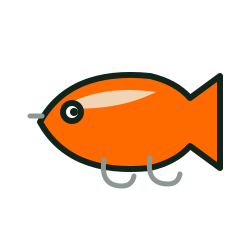 Suspending jerkbaitCold, clear waterCompact crankbaitWarming flatsSwim jigGrass and coverTopwater walkerWarm low-light periods
Prime activity: fish the highest-percentage areas
When conditions align, target transition zones, active cover and feeding lanes. Keep a follow-up bait ready for fish that miss a moving presentation.
Hot water: prioritize oxygen and shade
Look for current, vegetation, deeper structure and low-light windows. Downsize or slow the presentation when pressure is high.
Lure selector
Set the conditions and the selector below recommends a presentation, color family, retrieve and the tackle to match. Recommendations update instantly.
Recommended tackle
Start with a versatile medium-heavy casting setup and a small box that covers the water column. Everything in the sidebar was chosen for that job.